
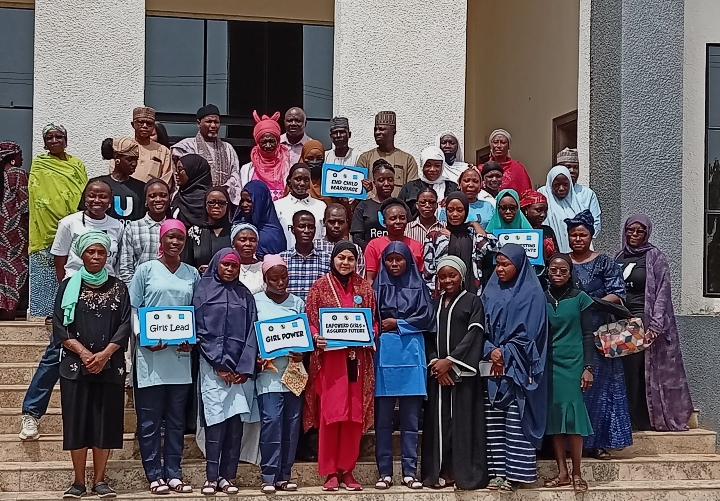
The United Nations Children’s Fund (UNICEF) has urged parents, traditional and community leaders, as well as other stakeholders to strengthen positive parenting and invest in the education, health and future of the girl child to tackle child marriage.
The call was made on Thursday during an engagement organised by UNICEF in collaboration with traditional leaders, women’s groups, partners, the media and girls to commemorate the 2026 International Day of the Girl Child.
The engagement brought together stakeholders from Bauchi and Gombe states to celebrate progress, amplify the voices of girls and discuss practical measures to strengthen their rights, wellbeing, skills and opportunities.
Speaking at the event, UNICEF Chief of Bauchi Field Office, Dr Nuzhrat Rafiq, identified positive parenting as one of the key interventions needed to address harmful social norms, particularly child marriage.
Rafiq said child marriage remained a serious concern in both Bauchi and Gombe, warning that failure to address the practice could deny girls the opportunity to develop their full potential.
“The recent data tells us that in Bauchi, there is a very high percentage of child marriage and early marriage. This is also prevalent in Gombe as well,” she said.
The UNICEF official stressed the need to ensure that girls have access to healthcare, nutrition, education and opportunities to pursue careers so they can contribute meaningfully to society as adults.
“Positive parenting is one of the key interventions because the decision is in the hands of parents, especially fathers,” Rafiq said.
She added that positive parenting could help influence decisions at the community level and encourage families to make better choices concerning the future of their daughters and sisters.
Rafiq also urged traditional leaders to take the lead in promoting positive parenting and tackling harmful practices in their communities.
“I have already talked to traditional leaders who were here that they need to take the lead on it. Positive parenting is very, very important,” she said.
She further noted that the education, social policy, women’s affairs and health sectors all had important roles to play in promoting positive parenting and protecting the rights and future of the girl child.