From January 2026, Nigerians purchasing or registering vehicles will be required to pay a mandatory recycling fee, as the Federal Government implements a sweeping reform of the nation’s automotive sector.
Approved under the End-of-Life Vehicle (ELV) programme, the policy is designed to regulate the disposal of old and unroadworthy vehicles and prevent Nigeria from becoming a dumping ground for ageing imported cars. Government projections indicate that the initiative could generate over ₦150 billion annually while creating a structured vehicle recycling market.
Under the new arrangement, the recycling fee will be paid at the point of vehicle registration. The funds will be used to support environmentally safe dismantling, recycling and disposal of vehicles that have reached the end of their useful life. Officials say the system is modelled after practices in several developed countries where vehicle owners pay upfront for end-of-life management.
Although authorities expect some resistance from the public when the policy takes effect, they argue that the long-term benefits outweigh the concerns. Studies indicate that over 85 per cent of components from end-of-life vehicles can be reused or recycled, which could significantly boost Nigeria’s circular economy.
The reforms are also expected to bring structure to the largely informal auto parts market, popularly known for “Belgian parts”, by integrating it into a regulated recycling framework. This, according to government officials, will help improve safety standards and create thousands of jobs across dismantling, refurbishment, logistics and resale chains.
The policy comes against the backdrop of rising used vehicle imports. Data shows that passenger vehicle imports rose to about ₦1.01 trillion in the first nine months of 2025, with fairly used, or “tokunbo”, vehicles still dominating the Nigerian market.
As part of the broader reforms, all used vehicles imported into Nigeria from 2026 will be required to undergo pre-export certification to ensure they are roadworthy. The cost of this certification will be borne by foreign exporters, not Nigerian buyers. Currently, the absence of such safeguards has allowed unfit vehicles to flood the local market.
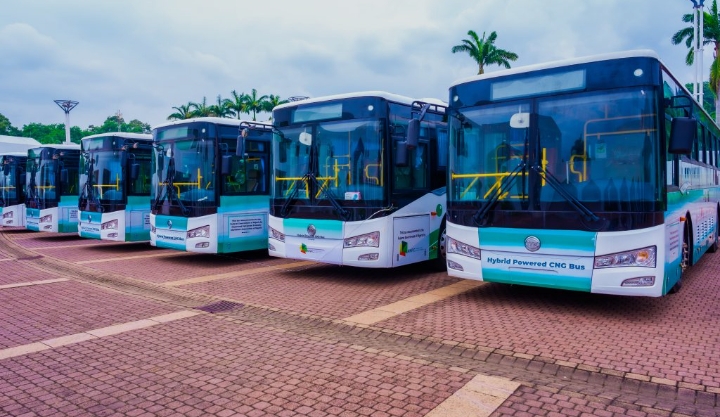
The government is also pushing for a transition to cleaner energy options in transportation, including the conversion of petrol and diesel vehicles to electric vehicles (EVs) and compressed natural gas (CNG). The National Automotive Design and Development Council (NADDC) has begun training regulators and industry players, with formal certification programmes for EV and CNG conversions expected to commence by 2026.
In addition, local vehicle design and component manufacturing are gaining momentum, with Nigerian engineers and universities already developing tricycles, buses and electric shuttle vehicles. Authorities note that Nigeria currently spends more importing vehicle components like tyres and batteries than on complete vehicles, a gap the reforms aim to address.
The Federal Government is also taking steps to strengthen the framework by converting the National Automotive Industry Development Plan into law through a proposed Auto Industry Bill, which is being pursued as an Act of Parliament.