
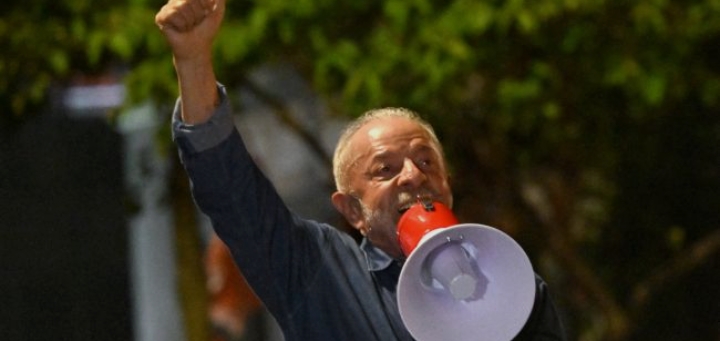
Brazilian President Luiz Inácio Lula da Silva has secured an unprecedented fourth term in office after defeating Flávio Bolsonaro in a closely contested presidential election, completing a dramatic political comeback.
Official results showed Lula winning 51.75 per cent of the vote, against 48.25 per cent for Bolsonaro, the son of former President Jair Bolsonaro.
The election was marked by intense political divisions and disputes over voting arrangements. Brazil’s Supreme Court approved a last-minute extension of voting hours by two hours after Lula’s camp argued that the withdrawal of buses had prevented some voters from reaching polling stations.
Bolsonaro’s camp also sought an extension in some areas affected by heavy rainfall, highlighting the logistical challenges surrounding the election.
Lula’s victory represents another remarkable chapter in the political career of the former factory worker who rose from poverty to become one of Brazil’s most influential leaders.
During his earlier presidency, Lula became widely associated with social welfare programmes aimed at reducing poverty and improving living standards for millions of Brazilians.
His political journey suffered a major setback when he spent more than 18 months in prison over corruption convictions. Those convictions were later annulled on procedural grounds, clearing the way for his return to politics.
Lula subsequently defeated Jair Bolsonaro in the 2022 presidential election, returning to the presidency after years away from power.
His new mandate, however, comes with significant challenges, including the rising cost of living, public insecurity, sluggish economic growth and opposition from a powerful right-wing bloc in Congress.
His administration also faces external pressure from the United States under President Donald Trump, adding another layer of complexity to Brazil’s domestic and foreign policy priorities.
Despite the challenges, Lula’s victory reinforces his political resilience and marks a significant moment in Brazil’s deeply polarised political landscape.