
Project provides 6,028 electricity connections, powers agro-processing and electric mobility
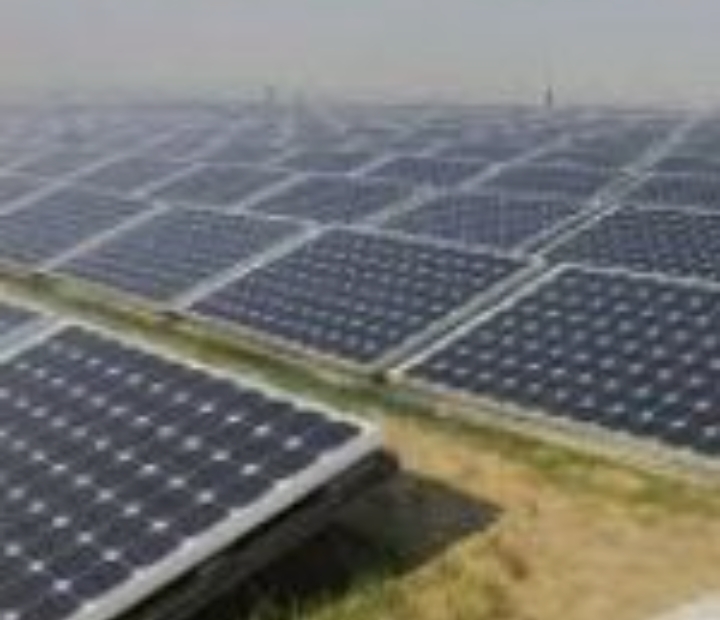
The Federal Government has commissioned a 1-megawatt (MW) solar mini-grid equipped with a 2.4-megawatt-hour (MWh) battery energy storage system in Tallasse community, Balanga Local Government Area of Gombe State, while beginning construction of four additional interconnected mini-grid projects with a combined capacity of 16MW.
The commissioning ceremony, held on Saturday, also featured the groundbreaking for the new projects across Dukku, Bajoga, Kumo and Kaltungo communities, as the government expands renewable energy access and seeks to stimulate economic activities in rural areas.
The Tallasse project also includes productive-use equipment designed to connect reliable electricity directly to agriculture, transportation, food processing and income generation.
The equipment includes electric tricycles, an electric groundnut oil processing plant, a modular electric rice mill and electric multi-flour grinding machines.
The development follows the recent groundbreaking ceremony for a 17.7MW interconnected mini-grid project in Iwo, Ibadan, Oyo State, on Wednesday.
Speaking at the commissioning ceremony, Gombe State Governor, Muhammadu Inuwa Yahaya, described the project as an important outcome of the strategic partnership between the state government and the Federal Government through the Rural Electrification Agency (REA).
He said the project was particularly significant because it connects electricity supply with the economic activities of local communities, especially agriculture and food processing.
“For us in Gombe State, this project is significant because it connects energy directly to the economic strengths of our people. Balanga is an agricultural community. When reliable electricity is combined with rice milling, groundnut processing, flour production and electric mobility, we are not merely lighting homes; we are strengthening an entire local economy,” the governor said.
Yahaya commended President Bola Ahmed Tinubu, the Minister of Power and the leadership of the REA for supporting the initiative, describing the federal-state partnership as an example of how cooperation could translate development policies into infrastructure that communities can use.
In his remarks, the Minister of Power, Joseph Tegbe, said the projects reflected the practical implementation of President Tinubu’s Renewed Hope Agenda, which seeks to expand access to economic opportunities regardless of geographical location.
He noted that renewable energy projects were being developed in different parts of the country, citing initiatives in Kwara State, the Federal Capital Territory, Oyo State and now Gombe.
According to him, the benefits of the projects extend beyond providing electricity for household lighting to creating opportunities for rural businesses, farmers and entrepreneurs.
“The true significance of these investments will be measured in the daily lives they improve: the farmer who can process produce closer to home, the trader who can preserve perishable goods, the artisan who can power equipment, and the young person who can build a livelihood within the community,” Tegbe said.
The Managing Director and Chief Executive Officer of the REA, Abba Aliyu, disclosed that the 1MW Tallasse project directly serves 6,028 connections, comprising 5,929 residential units, 84 commercial connections and 15 dedicated nodes for productive economic activities.
Aliyu said the project represented a shift in the agency’s rural electrification strategy from focusing mainly on the number of connections and megawatts deployed to measuring the economic benefits electricity delivers to communities.
He said the impact of rural electrification should be assessed by whether farmers could process more of their produce locally, entrepreneurs could establish businesses, transportation costs could decline and small businesses could operate longer and create jobs.
Aliyu also highlighted the importance of the project’s 2.4MWh battery energy storage system, which supports the agency’s emphasis on improving the reliability and quality of electricity supply.
“Access without reliability limits economic impact. This is why we are increasingly integrating storage, intelligent monitoring, productive-use equipment and sustainable operating models into our interventions. We are building electricity ecosystems, not simply installing power plants,” he said.
The new 16MW interconnected mini-grid projects are expected to extend renewable electricity infrastructure to additional communities across Gombe State, while the Tallasse installation demonstrates how combining power supply with productive-use equipment can support agricultural processing, rural enterprise and local economic development.