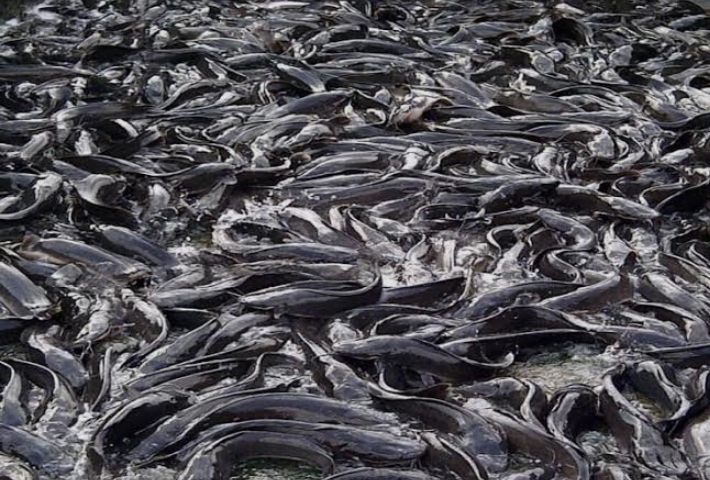
The Fisheries Cooperative Federation of Nigeria has said Taraba State could generate at least ₦1 billion annually from fisheries and aquaculture if the government invests adequately in the sector.
The federation said developing the industry could also create thousands of jobs, strengthen food security and diversify the state’s economy.
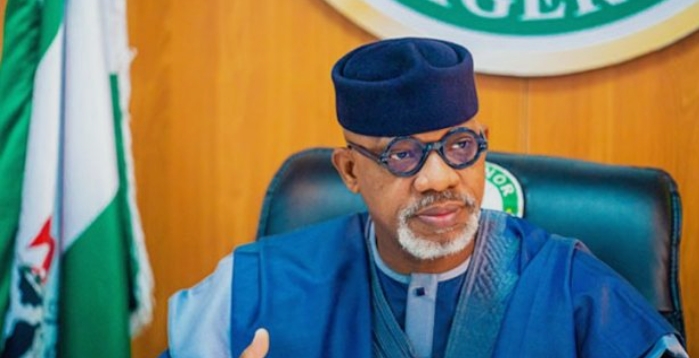
The Acting National President of the federation, Marsha Gabriel Saini, made this known while commending Governor Agbu Kefas for recognising the economic potential of fisheries and aquaculture in the state.
Saini said the federation planned to harness Taraba’s aquatic resources from 2027, noting that Nigeria’s annual fish demand stood at approximately 3.6 million tonnes, while domestic production was estimated at 1.6 million tonnes, leaving a supply gap of about two million tonnes.
He said Taraba’s rivers, lakes, dams and wetlands positioned the state to make a significant contribution towards closing the national fish supply deficit.
According to him, the state’s abundant water resources remain largely underutilised because successive administrations have not given sufficient attention and investment to the fisheries sector.
Saini expressed optimism that Governor Kefas’s renewed interest in fisheries and aquaculture would mark a departure from the past and help unlock the industry’s economic potential.
Speaking on behalf of the fisheries and aquaculture community in Taraba, he said adequate budgetary allocations and strategic investments could enable the state to generate at least ₦1 billion annually from the sector.
However, he identified several challenges confronting fish farmers, fishers, processors and traders, including inadequate supplies of fingerlings, limited access to finance, poor processing and cold-chain infrastructure, weak extension services, restricted market access and high fish-feed costs.
To address these challenges, Saini called for a comprehensive fisheries and aquaculture development programme beginning in 2027 to position the sector as a major contributor to Taraba’s economic growth.
He said the proposed programme should include a comprehensive fisheries master plan, a database of operators across the value chain, input supply and hatchery centres, aquaculture clusters, fish processing and storage facilities, as well as improved access to finance.
He also advocated targeted interventions to support women and young people, stressing that increased investment in fisheries and aquaculture could expand employment opportunities, improve livelihoods and boost economic activities across Taraba State.